

Table of Contents
- Why Outside Van Alternatives for Golfers Are Worth a Look
- Quick Comparison: Golf Travel Vehicles at a Glance
- GOLF Cruiser vs Outside Van: Purpose-Built Golf Travel
- Custom Golf Van Conversion: What Golfers Actually Need
- Tax Deductions for Golf Conversion Vans Under Section 179
- Cost Analysis: Van Ownership vs. Renting a Vehicle
- Security, Climate Control, and Parking Logistics for Golf Gear
- Frequently Asked Questions
Last Updated: October 1, 2026
Why Outside Van Alternatives for Golfers Are Worth a Look
Outside van alternatives for golfers exist because the adventure-van category was never designed around the sport. Most conversions chase the camping market: beds, galley kitchens, solar arrays, and a wet bath. Golfers need something different. They need a mobile clubhouse. This guide from GOLF Cruiser breaks down the real options, from purpose-built golf vans to luxury SUVs, so you can match the vehicle to your trip schedule rather than a builder’s showroom floor.
The gap matters more than most buyers expect. A camper van’s rear garage is sized for bikes and climbing gear, not for two staff bags and a push cart. A luxury SUV swallows four golfers but leaves no room for a fifth passenger once the clubs go in. The right answer depends on group size, trip frequency, and whether you want to write the vehicle off.
Quick Comparison: Golf Travel Vehicles at a Glance
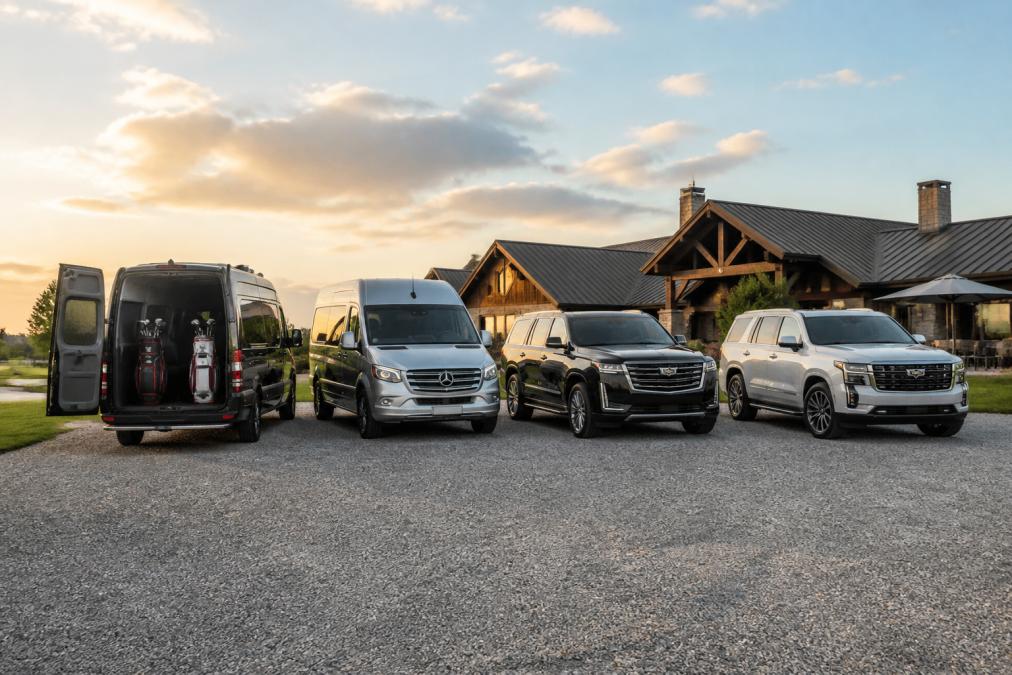
The best vehicle for a golf trip depends on how many players you carry and how often you travel. Four or more regular players points to a van. Two players who fly to resorts are usually better off renting.
| Vehicle | Seats | Golf Gear Capacity | Best For |
|---|---|---|---|
| GOLF Cruiser | Up to full team | Custom club storage, flexible layout | Frequent team and family travel |
| Airstream Interstate 24GLX | 4-6 | Moderate, camper-oriented | Turnkey luxury touring |
| Tiffin GH1 | 2-4 | Gear-focused, rugged | Remote and off-grid courses |
| Pleasure-Way REKON | 2-3 | Large rear garage | Multiple bag sets |
| Range Rover (LWB) | 4-5 | Limited with full load | Small groups, short trips |
GOLF Cruiser vs Outside Van: Purpose-Built Golf Travel
GOLF Cruiser is a purpose-built golf travel van, while Outside Van is an adventure conversion brand. That distinction drives every design decision, from where the clubs sit to how the interior is laid out.
The core question isn’t which van is better built. It’s which van was built for your use case. Adventure vans optimize for terrain and sleeping. Golf vans optimize for gear access, seating, and arrival.
Custom Golf Van Conversion: What Golfers Actually Need
A custom golf van conversion is a full-size van rebuilt around golf-specific storage, seating, and comfort rather than camping systems. The build starts with the platform and works outward from how you actually travel.
What matters most in a golf-focused build:
- Club storage sized for full staff bags, not collapsed travel bags
- Seating that carries four to six adults with real legroom
- Overhead cabinetry for shoes, gloves, balls, and rain gear
- L-track or equivalent tie-down systems to stop bags sliding on turns
- Climate control that protects expensive equipment from heat
- Accessibility features for players managing mobility issues
Tax Deductions for Golf Conversion Vans Under Section 179
Tax deductions for golf conversion vans can be substantial for business owners, but qualification depends on your situation. Section 179 of the Internal Revenue Code lets businesses deduct the cost of qualifying vehicles in the year they’re placed in service, subject to annual limits and weight thresholds. The IRS Section 179 deduction guidance sets out the current caps and eligibility rules, and those figures change, so confirm the numbers for your tax year before you buy.
Do not treat Section 179 as automatic. Buyers who assume a write-off without checking business-use percentage or gross vehicle weight rating often find their accountant disallows the deduction. Get a written opinion before you sign.
Cost Analysis: Van Ownership vs. Renting a Vehicle
Ownership TCO components:
- Purchase price and financing. A full-size van on a Chevrolet or GMC platform sits in a different price band than a luxury SUV, and financing terms spread that cost across the years you keep the vehicle.
- Depreciation. This is the largest single cost most owners never see on a receipt. A purpose-built conversion generally holds value better than a stripped commercial shell because the interior is the product, not an afterthought.
- Insurance. Full-size vans and high-roof conversions are often rated differently than passenger cars. Confirm the classification before you buy, a commercial rating can cost meaningfully more than a personal one.
- Fuel and maintenance. A loaded van burns more than a sedan. Budget for tires, brakes, and the electrical and climate systems that conversions add on top of the factory drivetrain.
- Storage. If you cannot park it at home, you pay monthly for a spot. That line item alone can flip the break-even.
Rental TCO components:
- Daily rate times trip days. Peak-season rates at resort destinations climb sharply, and the counter rarely stocks a vehicle with real golf storage.
- Damage deposits and insurance add-ons. These inflate the daily figure and are frequently excluded from the headline rate.
- Logistics cost. Loading and unloading clubs at every stop, plus the risk of a vehicle that does not fit your group, is a real cost even when it never appears on an invoice.
How the break-even actually works.
Run the comparison on a five-year horizon, not a one-year one. Depreciation and financing both flatten over time, and a single year of rental math almost always favors renting, which is why so many buyers talk themselves out of the vehicle that actually fits their trips.
Security, Climate Control, and Parking Logistics for Golf Gear
Climate control: what actually protects clubs.
- Shade and ventilation first. A cracked vent or a powered roof fan moves hot air out before it stratifies. This is the cheapest protection and the one most owners skip.
- Insulation second. A professionally insulated conversion slows heat gain; an uninsulated commercial shell does not.
- Active climate third. A 12-volt or engine-driven climate system holds a set temperature while parked. This is the feature that separates a golf-specific build from a camper that happens to hold bags, and it is the one DIY projects most often abandon because the electrical load is real.
Security: out of sight beats locked.
Parking logistics: measure before you buy.
- Parking at courses. Full-size vans need standard-height clearance and a normal space. That is the advantage over a Class A motorhome, which often cannot enter a club lot at all. Confirm height and length against your regular courses before you commit, a high-roof conversion can exceed the clearance of older clubhouse garages and covered bag-drop lanes.
- Overnight security. Resort lots are generally safe, but a van with lockable, out-of-sight storage removes the temptation entirely. Nothing valuable stays visible.
- Climate exposure. A closed van interior heats up fast in summer sun. Shaded parking and a working climate system protect grips, batteries, and leather.
Measure your three most-visited clubhouse parking garages before you buy, height, length, and turn radius. Clearance and turn radius cause more buyer regret than any interior feature, and a van that cannot enter your home course is a van you will not use.
Frequently Asked Questions
What are the best luxury van alternatives for golf trips?
Golfers have several strong options beyond standard Sprinter builds. Purpose-built golf vans like GOLF Cruiser offer custom club storage and mobile clubhouse layouts. The Airstream Interstate 24GLX delivers hotel-style amenities on a Mercedes-Benz Sprinter chassis. The Pleasure-Way REKON provides a large rear garage for clubs at a lower price point. For smaller groups, a long-wheelbase Range Rover offers comfort and prestige with easier parking. The right choice depends on group size, trip frequency, and whether you need living space or just gear capacity.
How does a GOLF Cruiser compare to an Outside Van?
Outside Van builds adventure-focused Sprinters for outdoor sports like biking and skiing. GOLF Cruiser builds on Chevrolet and GMC platforms specifically for golfers, with custom club storage, flexible seating for teams or families, and mobile command center layouts. GOLF Cruiser brings over 45 years of full-size conversion experience. If your priority is a vehicle designed around golf, not camping or cycling, GOLF Cruiser is the more tailored choice for outside van alternatives.
What features should golfers look for in a travel van?
Prioritize cargo space for multiple golf bags, secure storage that protects expensive clubs, and climate control to prevent heat damage to grips and shafts. Look for easy loading height if you have back issues, comfortable seating with legroom for long-distance travel, and a layout that works for your group size. Passenger capacity, 4WD for remote courses, and parking ease matter too. A custom golf van conversion lets you specify these details instead of settling for a camper layout.
What are the tax benefits of using a business-use conversion van for golf?
Business owners may qualify for Section 179 deductions on a conversion van used for business purposes, including tournament travel, client entertainment, or mobile office use. The vehicle must meet IRS weight and business-use thresholds, and you should document how the van supports your business. Because eligibility depends on your specific situation, confirm details with a qualified tax professional before purchasing. GOLF Cruiser vans are built on Chevrolet and GMC platforms that often meet these requirements.
Can a luxury conversion van serve as a tournament command center?
Yes. A purpose-built golf van can function as a mobile base with organized club storage, seating for strategy discussions, and space for team gear. Coaches and team captains use conversion vans to review course notes, store extra equipment, and give players a comfortable place to regroup between rounds. Features like overhead cabinetry, L-track mounting, and flexible seating make this practical. GOLF Cruiser designs layouts specifically for this tournament command center role.
Golf travel logistics get complicated fast when your vehicle wasn’t built for the sport. GOLF Cruiser solves that with hand-built luxury vans on Chevrolet and GMC platforms, custom club storage, and flexible layouts for families, foursomes, or full teams. Every van comes from American craftsmen with more than 45 years of conversion experience, and business owners may qualify for a Section 179 write-off. Contact GOLF Cruiser today to spec a van around your travel schedule.