
Table of Contents
- Why Golfers Are Moving Beyond Standard Luxury Vans for Travel
- Top Alternatives for Luxury Golf Travel: A Comparison
- GOLF Cruiser: The Purpose-Built Luxury Golf Van Conversion
- Grech RV: Sprinter-Based Luxury with Off-Grid Capability
- Colonial Airstream: Iconic Design and Strong Resale Value
- Moonshot Camper Vans: Bespoke Builds for Adventure Travelers
- Leighton Vans: Sporty Aesthetics for Luxury Transport
- Luxury Conversion Van Tax Benefits: What Golfers Need to Know
- What to Weigh Before You Choose
- Frequently Asked Questions
Last Updated: October 2, 2026
Why Golfers Are Moving Beyond Standard Luxury Vans for Travel
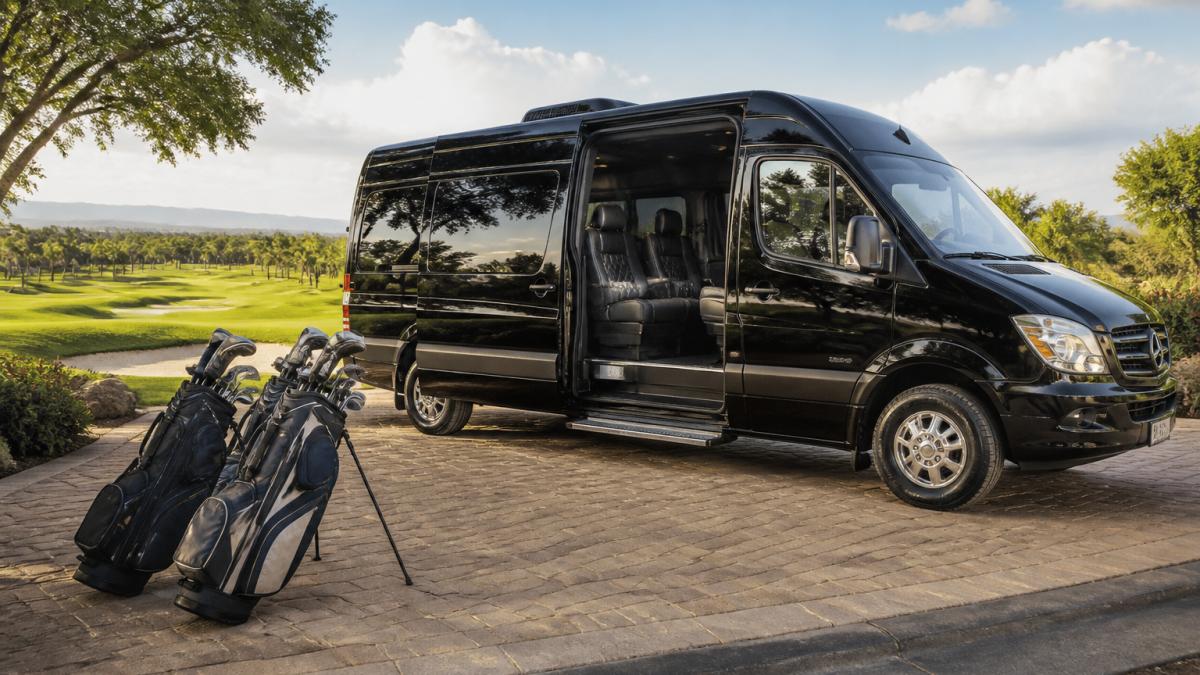
The search for an ultimate toys alternative for luxury travel starts with a simple problem: most high-end vans are built for campers, not golfers. At GOLF Cruiser, we’ve spent decades watching players wrestle tour bags into vehicles designed around sleeping quarters and kitchenettes, wasted space, scuffed clubs, and a poor fit for how golfers move.
Luxury golf travel is a distinct category. It demands club storage, seating for four to six, and a cabin that works as a mobile base at the course. A standard luxury conversion van often misses all three.
Below, we compare alternatives, from purpose-built conversions to factory Class B motorhomes, with the trade-offs that matter for gear, parking, and cost.
Top Alternatives for Luxury Golf Travel: A Comparison
The best vehicle for luxury golf travel depends on three factors: how much gear you carry, how often you travel, and whether you want a custom build or a factory model. Purpose-built conversions prioritize club storage and seating; factory motorhomes prioritize living space and off-grid power; bespoke builders add lead time; aesthetic-focused upfitters treat gear storage as your problem.
The Specs That Actually Decide It
Before you compare brands, compare dimensions. Three numbers separate a golf-friendly van from a camper:
- Rear cargo depth behind the last seat row. A standard tour bag is roughly 47-50 inches long and 12 inches wide at the base. Two bags side by side need 26-30 inches of width; four need a stacked or angled rack. Under 48 inches of usable depth, bags go in diagonally and you lose a seat.
- Standing height and overall height. Most Class B Sprinters run 9.5-10 feet tall with roof AC and vents, which matters at parking garages and older valet lanes.
- Seating versus sleeping trade-off. A four-to-six seat layout with a dedicated gear bay is a different floorplan than a two-seat, two-sleep camper. You can’t max out both.
Quick Comparison Table: Luxury Golf Van Options
| Vehicle | Base Platform | Typical Seating | Gear Storage Priority | Best For | Customization |
|---|---|---|---|---|---|
| GOLF Cruiser | Chevrolet / GMC | 4-6 | Purpose-built club rack | Golfers and teams | High, golf-specific |
| Grech RV | Mercedes-Benz Sprinter | 2-4 | Afterthought | Off-grid luxury | Factory floorplans |
| Colonial Airstream | Mercedes-Benz Sprinter | 2-4 | Afterthought | Resale value | Limited |
| Moonshot Camper Vans | Various | 2-4 | Modular, configurable | Adventure travel | Very high |
| Leighton Vans | Commercial vans | 4-6 | Minimal | Sporty aesthetics | Aesthetic focus |
Seating ranges reflect common configurations. Confirm the exact layout with each builder before you spec.
What the Table Doesn’t Tell You
Two things get buried in brand comparisons:
1. The gear-storage tax. On a camper-first van, you pay for a galley, a wet bath, and a sleeping platform you may use a few nights a year, then still need a rack or hitch carrier for clubs. On a purpose-built golf conversion, that square footage goes to clubs and seating.
2. The platform service network. Chevrolet and GMC dealers are effectively everywhere, which matters when you’re 200 miles from home and something fails. Mercedes-Benz Sprinter service is strong but less dense near remote courses.
Bring a tape measure to any dealer or builder walkthrough. Measure the usable depth behind the last seat row, the height of the rear door opening, and the width between wheel wells. Those three numbers predict whether your bags load cleanly or fight you for the life of the van.
The Gap Most Comparisons Skip: Total Cost of Ownership
Brand tables rarely show what a golf van costs to run. A practical TCO frame versus an SUV or minivan includes:
- Fuel. A full-size van on a V8 or heavy diesel returns lower mpg than a mid-size SUV, especially loaded with passengers and gear, a gap that compounds on long tournament road trips.
- Insurance. Conversion vans and Class B motorhomes are often rated differently than passenger SUVs. Ask your insurer to quote the specific VIN or build before you commit.
- Depreciation. Heritage brands with strong communities hold value better than boutique conversions; purpose-built niche vehicles hold value within their niche but have a narrower resale audience.
- Maintenance and consumables. Tires, brakes, and fluids on a heavier vehicle cost more per service interval than on a crossover.
- Storage. If the van doesn’t fit your garage, you’re paying monthly for off-site storage, a line item many buyers forget.
Run the math on your actual annual mileage. A van that pencils out at 15,000 miles a year may not at 5,000.
Match the Vehicle to the Trip, Not the Brochure
- Mostly gear and people, occasional overnights: a purpose-built conversion like GOLF Cruiser
- Overnight stays near remote courses: a factory Class B with off-grid power
- Resale value as a priority: a heritage brand with strong recognition
- Deep personalization: a bespoke builder, with the lead time that comes with it
- Sporty looks over living space: an aesthetic-focused upgrade package
A common mistake is buying for the trip you take once a year instead of the one you take every month.
GOLF Cruiser: The Purpose-Built Luxury Golf Van Conversion
GOLF Cruiser builds its vans specifically for golfers, not campers, and that decision changes everything about the interior. Hand-built by American experts with over 45 years of conversion experience, these vehicles ride on Chevrolet and GMC platforms.

The layout is the differentiator. Custom club storage keeps equipment organized and upright, so you’re not wrestling bags in and out of a trunk. Flexible seating handles families, golf buddies, or a full team.
Pros:
- Golf-specific club storage and flexible layouts
- Built on Chevrolet and GMC platforms
- Potential Section 179 tax write-offs for business owners
Cons:
- Not designed for full-time living like a camper van
If you’re coming from a standard SUV, the biggest adjustment is how much easier loading becomes. A common mistake is ordering storage before measuring your longest club bag. Measure first, then spec the layout.
Grech RV: Sprinter-Based Luxury with Off-Grid Capability
Grech RV builds high-end Class B motorhomes on Mercedes-Benz Sprinter chassis, with hand-crafted wood cabinetry and premium upholstery.
For golfers who also want to overnight near a remote course, the integrated lithium battery systems and multiplex controls for lighting and climate are genuinely useful. The trade-off: this is a camper first, and club storage is an afterthought.
Pros:
- Superior build quality and luxury interior materials
- Extensive nationwide dealer network for service
Cons:
- Higher price point than entry-level camper vans
- Living-space priority over gear storage
Colonial Airstream: Iconic Design and Strong Resale Value
Colonial Airstream is a premier dealership for Airstream touring coaches, and the brand’s reputation does real work here. The iconic aerodynamic aluminum body and Mercedes-Benz Sprinter integration give it instant recognition.
Resale value is the strongest argument. Airstream’s brand heritage and community support hold value better than most boutique conversions. What you give up is flexibility: floorplans are largely fixed, so a golfer with specific storage ideas has limited room to customize.
Pros:
- Strong brand recognition and community support
- Durable construction for long-term ownership
Cons:
- Limited floorplan customization versus boutique builders
Moonshot Camper Vans: Bespoke Builds for Adventure Travelers
Moonshot Camper Vans focuses on personalized builds for adventure travelers, and the customization runs deep. Custom interior layouts, professional-grade electrical and solar installations, and modular storage let you shape the van around your actual trips.
For a golfer splitting time between tournaments and long-distance travel to remote courses, that flexibility matters. The catch is time: custom builds take longer than factory models, so plan around your season.
Pros:
- High level of personalization and design flexibility
- Adventure-ready electrical and storage systems
Cons:
- Longer lead times due to the custom build process
Ordering a bespoke build too close to your tournament schedule is a common mistake. If your first event is in eight weeks, a custom conversion may not arrive in time. Build in a buffer.
Leighton Vans: Sporty Aesthetics for Luxury Transport
Leighton Vans specializes in high-performance, aesthetically upgraded commercial vans, and the visual result is unmistakable. Aggressive exterior styling, upgraded alloy wheels and suspension, and premium leather upholstery make it a head-turner in any club parking lot.
The honest limitation: the focus is aesthetic and performance-oriented, not full-time living amenities. If you want a sporty luxury transport vehicle and you’re handling gear storage separately, it works.
Pros:
- Distinctive, modern visual appeal
- High-quality interior trim and upholstery upgrades
Cons:
- Aesthetic focus over full-time living amenities
Luxury Conversion Van Tax Benefits: What Golfers Need to Know
Luxury conversion van tax benefits often come down to Section 179 of the U.S. tax code, which lets qualifying businesses deduct the cost of certain vehicles used for business. For business owners and professionals, a golf van used for client entertainment, team transport, or business travel may qualify.
Two things decide it: vehicle weight and business-use percentage. Heavier vehicles generally face fewer deduction limits than passenger cars, and the business-use share of your mileage drives the math. A van used mostly for personal errands won’t qualify the way one used for client outings will.
We can’t tell you whether your purchase qualifies; only your accountant can. Bring them the vehicle specs and your mileage log before you buy.
The strongest tax case comes from documentation. Track business miles from day one, keep a log of client and team trips, and confirm the vehicle’s weight rating with your accountant before purchase.
What to Weigh Before You Choose
The right alternative for luxury golf travel comes down to how you actually use the vehicle. A golfer who travels six times a year with three friends has different needs than a coach managing a full team’s gear every week. Before you pick a brand, work through four things most comparisons skip.
1. Protecting the Gear: Security and Climate Control
A set of premium clubs, rangefinders, and electronics can easily represent several thousand dollars riding in back. Two risks matter most:
- Heat. A closed van parked in summer sun can reach interior temperatures well above ambient within an hour. Prolonged heat is hard on club grips, epoxy in clubheads, lithium batteries in rangefinders and speakers, and leather bags. If you routinely park at the course for a full round, look for roof ventilation, reflective or insulated ceiling panels, and, on higher-end builds, powered ventilation or a small climate system that runs on battery while parked.
- Theft. Tour bags are conspicuous and easy to grab. Practical deterrents include locking rear cargo doors, an interior cage or lockable gear bay, window tint with security film, and aftermarket alarm or GPS tracking. Keep clubs out of sight behind a solid partition or cargo cover, and never leave a loaded bag visible through glass.
Ask any builder two direct questions: Can the cargo area be locked independently of the cabin? and Can the interior be ventilated while parked without running the engine? The answers separate a golf-specific build from a camper with a rack bolted in.
2. Parking at Real Golf Courses
This is the logistics gap almost no comparison covers. Many private clubs and resorts have:
- Height-restricted entries. Valet lanes, bag-drop canopies, and parking garages frequently cap clearance well below the ~9.5-10 foot height of a loaded Class B. A Sprinter-based van with roof AC and vents may not clear a garage you assumed it would.
- Tight turnarounds and narrow cart paths. Long-wheelbase vans need more room to maneuver than an SUV. If your regular course has a cramped bag-drop loop, drive it in your current vehicle first and note the turning radius you use.
- Limited oversized-vehicle spots. Some lots reserve a handful of spaces for trucks and RVs; arrive early on tournament days or call ahead to confirm oversized parking exists.
A practical pre-purchase step: measure your van’s overall height and length, then call your three most-visited courses and ask about clearance and oversized parking. Ten minutes prevents a recurring headache.
3. Cost: Ownership vs. Renting for the Trip
If you play two or three destination trips a year, renting a large SUV or minivan at the destination is often cheaper than owning a dedicated golf van. Ownership wins when you travel frequently, need consistent gear storage, or use the vehicle for business. Run your own numbers on mileage, insurance, storage, and depreciation before assuming ownership is the better deal.
4. Build Approach: Factory, Custom, or DIY
- Factory conversion: fastest delivery, fixed floorplans, predictable warranty.
- Custom build: tailored storage and layout, longer lead times, higher cost.
- DIY conversion: lowest cash outlay, highest time investment, and you own the resale and warranty consequences. A DIY golf build typically centers on a locking rear rack, a ventilated cargo area, and a simple seating layout, achievable for a handy owner, but budget real weekends.
A Practical Way to Decide
- Mostly gear and people, occasional overnights: a purpose-built conversion like GOLF Cruiser
- Overnight stays near remote courses: a factory Class B with off-grid power
- Resale value as a priority: a heritage brand with strong recognition
- Deep personalization: a bespoke builder, with the lead time that comes with it
- Sporty looks over living space: an aesthetic-focused upgrade package
A common mistake is buying for the trip you take once a year instead of the one you take every month. Match the vehicle to your routine, not your vacation, and confirm the height, the lockability, and the ventilation before you sign.
Frequently Asked Questions
What are the best luxury van alternatives for golf trips?
The best luxury van alternatives for golf trips include purpose-built conversions like GOLF Cruiser, which offers custom club storage and layouts for golfers. Each has trade-offs in customization, price, and golf-specific features.
Are custom conversion vans tax-deductible for business use?
A luxury conversion van may qualify for Section 179 tax deductions if used for business purposes, such as transporting clients or equipment. The vehicle must meet weight and usage requirements. Consult a tax professional to confirm eligibility, as rules depend on your specific business use and vehicle specifications. GOLF Cruiser vans are built on Chevrolet and GMC platforms that often meet these criteria.
What features should a luxury golf travel van include?
A luxury golf travel van should include secure, climate-controlled storage for golf bags and gear, comfortable seating for passengers, and flexible interior layouts. Look for easy loading access, ample legroom, and amenities like entertainment systems. GOLF Cruiser emphasizes custom club storage and mobile clubhouse functionality, making it a strong choice for golfers prioritizing gear organization and comfort.
Why choose a Chevrolet or GMC platform for a custom golf van?
Chevrolet and GMC platforms offer proven reliability, widespread service availability, and parts accessibility across the U.S. These full-size vans provide ample interior space for conversions while remaining easier to maneuver and park than an RV. GOLF Cruiser builds on these platforms, leveraging over 45 years of conversion experience to deliver a durable, golf-specific luxury vehicle.